Last Updated on December 19, 2025 by Lisa Whaley
What Are Free Therapy Apps, and Who Do They Help?
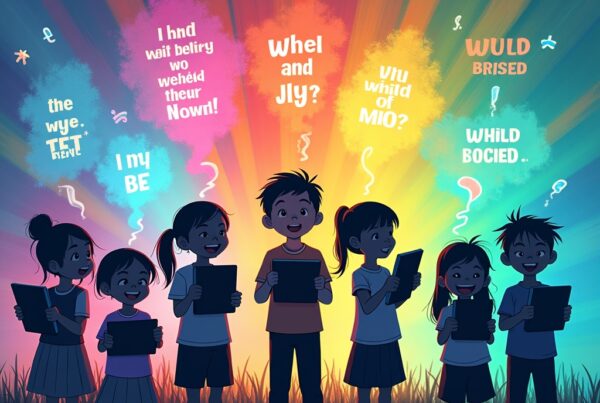
Free therapy apps are digital tools that offer therapeutic exercises, games, or communication support at no cost. These are designed to help children with speech and language challenges, including autism, apraxia, articulation issues, and developmental delays. Parents, caregivers, classroom teachers, and SLPs can all use these apps to support children’s communication growth at home or in therapy.
The best free therapy apps are user-friendly, provide developmentally appropriate content, and, crucially, protect the privacy and security of children’s information. Since children’s data is sensitive and protected by laws in many regions, understanding the legal and ethical landscape is an essential first step before recommending or using any app.
Key Takeaway:
- Free therapy apps can provide extra practice and support for speech and language skills.
- Always prioritize privacy and data security when selecting apps for or with children.
- SLPs should consider not only therapy effectiveness but also compliance with privacy regulations.
Legal Considerations: Privacy Laws for Children’s Apps
Understanding COPPA, HIPAA, and State Laws
The Children’s Online Privacy Protection Act (COPPA) is the primary law in the United States safeguarding children under 13 who use online services, including apps. It requires:
- Verifiable parental consent before personal information is collected from children under 13.
- Clear privacy policies outlining data collection and use.
- Reasonable measures to protect children’s information.
HIPAA (Health Insurance Portability and Accountability Act) applies when therapy apps are used as part of a healthcare provider’s toolkit. It requires that any data considered Protected Health Information (PHI) is:
- Encrypted and securely stored.
- Accessed and retained only by authorized individuals or entities.
- Detailed in a Business Associate Agreement (BAA) if the app is provided by, or on behalf of, a healthcare practice.
California’s Age-Appropriate Design Code (AADC) and similar state laws extend privacy protections, regulating not only what data is collected, but also how apps are designed and marketed to children, teens, and their parents. International laws such as Europe’s GDPR extend parental consent requirements to children up to 16 years old and emphasize clear, plain-language privacy policies.
Free apps targeting children must obtain verifiable parental consent before collecting any personal information, and must give parents the option to review and delete their child’s data. This applies to voice recordings, photos, and even device identifiers.
SLPs using apps in their practice are ethically obligated to ensure that the apps meet security and confidentiality standards, including encrypting client data and using secure networks.
Types of Free Therapy Apps: What’s Available?
Free therapy apps come in several categories depending on their primary function:
- Speech Sound Practice: Interactive games and flashcards for practicing articulation, phonological processes, and more.
- Communication Boards / AAC: Symbol-based apps that help nonverbal or minimally verbal children express their needs.
- Language and Literacy: Apps targeting vocabulary, syntax, following directions, and early reading skills.
- Social Skills: Video modeling, comic strips, or story-based apps focused on conversation, turn-taking, and emotional understanding.
- General Therapy Tools: Scheduling, visual timers, and reinforcement tools for structuring therapy.
Some apps offer a free “lite” version with limited features and paid upgrades, while others are fully free and supported by grants, universities, or nonprofit organizations.
Popular Free Therapy App Examples:
- Articulation Station Lite: Offers sample sounds for practice, suitable for articulation therapy.
- LetMeTalk: An AAC app with a robust, free communication board library.
- Card Talk: Simple communication board app for iOS and Android.
- Speech Blubs (trial features): Offers fun speech sound exercises.
- Pictello Lite: Allows story creation with pictures and speech for language development.
- Visual Schedule Planner Lite: Helps with routine management and expectations.
How to Choose the Right Free Therapy App: Practical Checklist
Questions to Ask Before Downloading
- Is the app truly free, or does it require in-app purchases for core features?
- Does the app clearly display its privacy policy, accessible before sign-up?
- Is verifiable parental consent required before any personal data is collected?
- Can you easily request deletion of data and/or opt out of data sharing?
- Does the app use ads? If so, are they human-reviewed and non-targeted?
- Does the app avoid collecting sensitive data (like location or voice files) unless absolutely necessary?
- Is the content developmentally appropriate and customizable for your child or students?
Quick Reference: What Should an SLP Look For?
- Clear, accessible privacy policies.
- Age-appropriate design and content.
- Parental controls and consent mechanisms.
- Options for secure data export (if used for documentation or progress tracking).
Benefits and Risks of Using Free Therapy Apps
Benefits:
- Provide accessible home practice for families with limited budgets.
- Allow SLPs and teachers to supplement sessions with interactive activities.
- Are often available on both iOS and Android devices, increasing accessibility.
- Engage children through gamified learning.
Risks:
- If apps are not compliant with privacy laws, children’s information may be at risk.
- Some free apps may feature distracting ads or require purchases for meaningful content.
- Lack of professional oversight means some apps may not be evidence-based.
- Families may consider app use as a replacement for direct therapy, rather than a supplement.
Summary Table: Pros and Cons
| PROS | CONS |
|---|---|
| Free or low-cost; some quality options available. | Privacy risks if the app does not comply with laws such as COPPA or HIPAA. |
| Motivating for children and flexible for parents/SLPs. | Ads or in-app purchases may disrupt use or expose kids to inappropriate content. |
| Can target specific skills and offer home carryover. | May lack evidence-based instructional strategies. |
Best Practices for Using Free Therapy Apps Safely and Effectively
Top 5 Tips for SLPs and Parents
- Review the app’s privacy policy for compliance with COPPA (for children under 13), HIPAA (for therapy providers), and any state or international laws.
- Engage children with the app together, model language, give choices, and use the app as a tool for interaction, not as a babysitter.
- Set limits for screen time and balance app use with real-world communication and play.
- Regularly check for app updates (for security patches) and review what data the app is storing or sharing.
- If your organization is using the app as part of therapy, work with your IT or compliance department to ensure that all privacy requirements are fully met.
What Does App Store Compliance Mean for Free Therapy Apps?
Apple’s App Store and Google Play Store have their own stringent rules for apps targeting children:
- Apps in Apple’s Kids Category must not transmit any personally identifiable information or device data to third parties, this rule even applies to parent-facing areas within the app.
- Third-party Software Development Kits (SDKs), including analytics or ad tools, must be child-directed and not collect any identifiable data from children. All ads must be human-reviewed and age-appropriate, not behavioral or interest-based.
- Parental “gates” are required before a child can access external links or make purchases within the app.
- For Google Play’s Families Program, persistent IDs (like advertising identifiers) and precise location data cannot be collected from children. Third-party integrations not approved for child use are prohibited.
These platform-specific standards often exceed existing federal laws, so they offer an extra layer of protection, but only if developers comply explicitly and transparently.
Choosing apps from established app stores and reading the compliance details helps ensure higher safety standards. Do not download apps from unofficial sources for children’s therapy use.
How Free Therapy Apps Can Support Speech-Language Therapy Goals
When selected and used mindfully, free therapy apps can:
- Help children practice specific speech sounds or language structures originally targeted in therapy.
- Increase engagement through gamified learning, visuals, and interactive stories.
- Provide familiar routines for children who benefit from repetition.
- Empower parents to participate directly in their child’s communication growth.
- Allow SLPs to extend therapy beyond the clinic, facilitating carryover and generalization of skills.
For the best results, pair app-based activities with real-world interaction: conversation, pretend play, shared storybook reading, and everyday routines (mealtime, dressing, outings).
Summary: Are Free Therapy Apps Worth It?
- Free therapy apps can be a useful part of a comprehensive therapy and home practice plan if they are carefully vetted for privacy and content quality.
- Families and clinicians must prioritize apps that are fully transparent about their data usage, avoid unnecessary tracking, allow full parental control, and comply with COPPA, HIPAA, and relevant state or international laws.
- Remember, even the best app is just a tool. The real progress happens through interaction, modeling, and supportive relationships.
Frequently Asked Questions (FAQ)
1. What are the best free therapy apps for speech and language?
Some popular, well-reviewed options include Articulation Station Lite, LetMeTalk, Card Talk, and Pictello Lite. The best app depends on your therapeutic goals, the child’s needs, and privacy considerations.
2. How do I know if a free therapy app is safe for my child?
Review the privacy policy, ensure it requires parental consent for children under 13, check for app store compliance, and avoid apps asking for unnecessary personal details.
3. Can I use free therapy apps for telepractice?
Yes, but apps must comply with HIPAA if you are an SLP using the app for teletherapy. Choose apps that specifically mention HIPAA compliance and use secure networks for any data exchange.
4. What are the primary data privacy risks for children?
Major risks include unauthorized sharing of voice recordings, pictures, or location data; exposure to targeted advertising; and lack of control over personal information. Verifiable parental consent and transparent privacy policies reduce these dangers.
5. Should therapy apps replace in-person speech therapy?
No. Apps work best as a supplement for home practice or to reinforce skills learned in therapy. They are not a substitute for individualized, professional services from an SLP.
Free therapy apps have an important role in promoting communication for children with speech challenges, but safety and compliance are non-negotiable. When in doubt, consult with an experienced SLP or your organization’s compliance officer before using a new app with children.